
Description
Mandy Morris – EME Integration Certification Program: An In-Depth Review
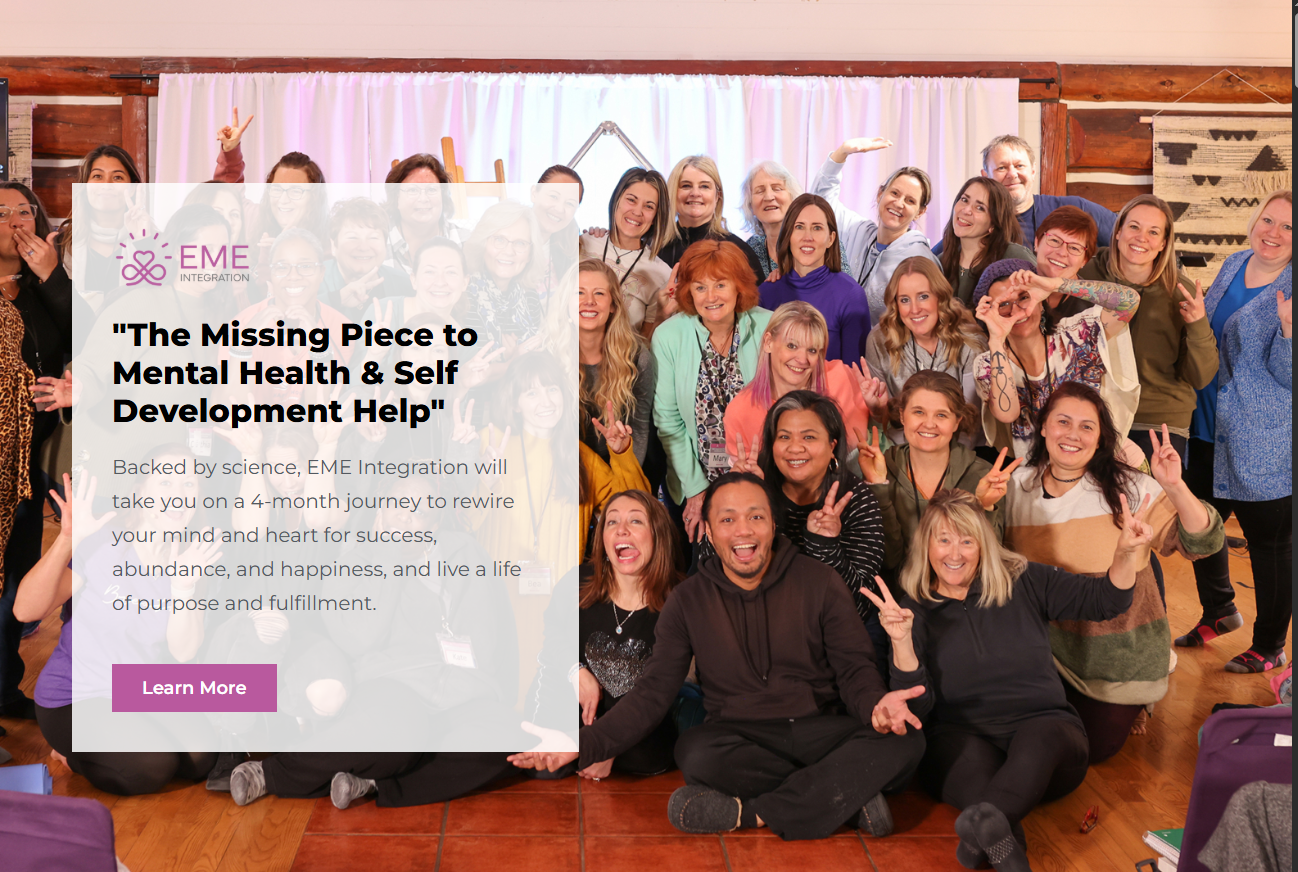
Navigating the wellness and transformational coaching industry can often feel overwhelming. With countless programs promising rapid personal breakthroughs and lucrative coaching careers, finding a legitimate, high-impact curriculum requires careful evaluation. The Mandy Morris – EME Integration Certification Program has emerged as a widely discussed training designed for individuals seeking to master energetic alignment, emotional clearing, and client transformation.
This comprehensive review explores the course framework, core learning modules, potential advantages, limitations, and an honest assessment of whether it aligns with your professional and personal goals.
What Is the EME Integration Certification Program?
Developed by author and transformational expert Mandy Morris, the Energetic and Emotional (EME) Integration Certification Program is designed to teach practitioners how to identify, process, and clear subconscious blockages. Rather than relying solely on conventional mindset tactics or positive affirmations, the curriculum focuses on addressing root-level emotional patterns and energetic stagnation.
The program serves two primary audiences:
-
Aspiring & Established Coaches: Professionals looking to add a deep, somatic, and energetic modality to their existing service offerings.
-
Personal Growth Enthusiasts: Individuals seeking a structured framework for self-healing, emotional regulation, and personal mastery.
Core Modules & Curriculum Breakdown
The program is structured into progressive learning phases, ensuring students grasp both theoretical principles and practical application.
+-----------------------------------------------------------------------+
|                       CORE CURRICULUM PHASES                          |
+-----------------------------------------------------------------------+
|  Phase 1: Foundations of Energetic & Emotional Mechanics              |
|  Phase 2: Subconscious Rewiring & Root-Cause Identification           |
|  Phase 3: The EME Integration Process (Step-by-Step Facilitation)      |
|  Phase 4: Client Facilitation, Ethics & Session Architecture          |
|  Phase 5: Integration, Practice Hours & Business Building             |
+-----------------------------------------------------------------------+
Phase 1: Foundations of Energetic & Emotional Mechanics
Before facilitating transformation for others, students must understand how emotional trauma, inherited beliefs, and energy systems operate within the human body. This phase focuses on:
-
The somatic relationship between suppressed emotions and physical discomfort.
-
Understanding frequency, vibration, and subconscious feedback loops.
-
Establishing foundational self-regulation techniques to maintain energetic boundaries as a practitioner.
Phase 2: Subconscious Rewiring & Root-Cause Identification
Traditional coaching often addresses surface-level behaviors. This module shifts the focus toward uncovering the core origin of limiting belief patterns. Key topics include:
-
Tracing present-day emotional triggers back to early childhood conditioning or implicit memories.
-
Techniques for identifying non-verbal cues and subconscious resistance in clients.
-
Differentiating between intellectual understanding and true emotional release.
Phase 3: The EME Integration Process
This represents the core methodology of the program. Students learn specific, repeatable steps to help individuals process trapped emotions and realign their energetic state.
-
Step-by-step protocols for guiding clients through emotional clearing safely.
-
Methods to prevent re-traumatization during intense emotional releases.
-
Tools to help clients anchor new, supportive neural pathways following a session.
Phase 4: Client Facilitation, Ethics & Session Architecture
Translating theory into effective coaching sessions requires structure and professional boundaries. This section covers:
-
How to structure a 60-minute EME session from intake to post-session integration.
-
Maintaining ethical standards, client confidentiality, and scope-of-practice boundaries.
-
Navigating client resistance, emotional overwhelm, and non-compliance.
Phase 5: Integration, Practical Application & Certification
To earn certification, students move beyond passive video watching to practical mastery.
-
Supervised practice sessions and peer-to-peer coaching calls.
-
Case study submissions evaluating real-world application of the EME framework.
-
Strategic guidance on incorporating the modality into existing business models or launching a new coaching practice.
Key Features & Learning Format
The curriculum is delivered through a blend of digital self-paced learning and live community elements:
Evaluating the Pros and Cons
Like any specialized certification, the program offers distinct advantages alongside areas that warrant consideration.
Pros
-
Root-Cause Methodology: Moves beyond standard cognitive coaching by incorporating somatic awareness and emotional clearing.
-
Structured Protocols: Provides clear, step-by-step frameworks that prevent practitioners from guessing during live client sessions.
-
Dual-Value Application: Serves as a powerful tool for personal healing while simultaneously providing a professional skill set.
-
Practical Orientation: Emphasizes practice hours and real-world application rather than pure theory.
Cons
-
Time Commitment: Requires dedicated focus for practice sessions, case studies, and module completion; it is not a weekend workshop.
-
Requires Openness to Energetic Modalities: The curriculum heavily incorporates concepts of vibration and energetic alignment, which may not appeal to purely clinical or traditional cognitive-behavioral practitioners.
-
Financial Investment: As a specialized certification, it represents a standard professional development expense that requires clear business planning to recoup.
Who Is This Program Best Suited For?
This certification is particularly effective for specific profiles:
-
Holistic & Transformation Coaches who feel their current methods reach a plateau when clients face deep subconscious blocks.
-
Bodyworkers, Reiki Practitioners, & Therapists seeking a structured verbal and emotional integration framework to complement physical or energetic care.
-
Individuals undergoing a major career shift who wish to build a consulting or coaching practice grounded in emotional mastery.
Verdict: Is It Worth Your Investment?
The Mandy Morris – EME Integration Certification Program offers a structured, comprehensive pathway for individuals committed to mastering emotional clearing and energetic alignment. Rather than offering quick-fix promises, the program demands genuine engagement, self-reflection, and practical application.
If your goal is to acquire a practical, repeatable transformation framework that addresses root-cause emotional blockages—and you are prepared to dedicate the necessary time to practical application—the program provides solid value and a robust methodology for professional growth.




Reviews
There are no reviews yet.